
A roof that appears large can yield a much smaller installable array once setbacks, access routes, shade and equipment clearances are marked. By measuring the roof, mapping shadows and matching the array to 12 months of demand, you can estimate a sensible system size and decide whether grid-tied, hybrid or off-grid operation fits the site.
Key takeaways
- Measure safe, legal roof planes instead of using the building footprint.
- Map shade by time of day and season before fixing panel layout.
- Use 12 months of bills and measured loads to size generation.
- Separate daily solar sizing from battery and backup-load sizing.
Measure the roof you can actually build on
Start with a roof measurement of the surfaces you can safely and legally occupy, not the building footprint. Trace each roof plane, record its length and width, and combine only areas with suitable slope, access and structural capacity.
Subtract space that panels cannot occupy:
- Roof-edge and parapet-wall setbacks
- Fire-access clearances and maintenance walkways
- Water tanks, skylights, lift rooms, ducts and antennas
- Structural exclusion zones and weak roof sections
- Inverter, isolator and cable-routing space
- Drainage channels and areas where mounting would damage waterproofing
The remainder is your usable roof area. Do not apply a universal “80% usable” rule; fire access, local code, equipment placement and the roof’s geometry decide the actual fraction.
Convert that area into a first panel count with this calculation:
Approximate panel count = usable roof area ÷ panel footprint
For example, 180 square metres of usable area divided by a 2.0-metre-by-1.1-metre panel footprint gives 81 panels before testing the rows, walkways and edge clearances on a drawing. A final layout may fit fewer.
Then multiply the fitted panel count by panel wattage. Eighty 550-watt panels produce an approximate 44-kilowatt-peak system under Standard Test Conditions, not 44 kW continuously. Heat, low irradiance, soiling, mismatch and wiring losses reduce rooftop output. Confirm wind uplift, dead load, attachment spacing, corrosion compatibility and roof age before approving that capacity.
Map shade before choosing orientation, tilt and layout
A shadow that crosses one cell row can cut output from a whole substring, so map shade before choosing orientation, tilt or strings. Use shadow mapping with a sun-path survey across morning, midday and afternoon, repeated for winter and summer.
Shade analysis should mark parapets, tanks, trees, neighbouring buildings, antennas and lift rooms, not just the shaded roof area.
| Roof plane | Annual and load effect | Placement decision |
|---|---|---|
| South-facing roof | Usually strongest annual yield in the northern hemisphere | Prioritise it when daytime energy yield is the main goal |
| East-facing roof | Production shifts toward morning and can reduce annual kWh | Use it when morning demand matters |
| West-facing roof | Production shifts toward afternoon and can reduce annual kWh | Use it when afternoon loads or tariff periods justify the trade-off |
| Mixed or shaded planes | Different irradiance creates mismatch | Separate planes across MPPTs or use module-level electronics |
Keep similarly oriented, similarly shaded modules in the same string. Check cold-weather open-circuit voltage against the inverter’s maximum DC voltage, then check hot-weather operating voltage against its MPPT range; nominal module voltage is not enough. Bypass diodes limit damage from partial shade but do not recover lost sunlight.
Treat roof geometry as a structural and weatherproofing constraint: verify wind uplift, roof age, drainage, attachment spacing, corrosion compatibility and penetration details before fixing the layout. Bifacial modules need rear clearance and a reflective surface; a low array over a dark roof may add little. Module-level electronics reduce mismatch, not shade itself.
Size generation from 12 months of bills and real loads
Use 12 months of electricity bills, not one unusually high or low month, to estimate annual generation. Add each month’s monthly kWh consumption, then compare it with the energy a proposed system can produce at your site; a 10 kW array does not generate 10 kW throughout the day.
| Input | What it tells you | Design use |
|---|---|---|
| Monthly kWh consumption | Total energy used | Size annual PV generation and account for seasonal variation |
| Daytime demand | Energy available for direct solar use | Increase self-consumption and reduce exports |
| Connected load | Total rated capacity of installed equipment | Check service, cables, inverter and protection limits |
| Motor starting requirement | Short surge drawn by pumps, compressors or induction motors | Specify inverter surge capacity and starting method |
Connected load is not the same as actual demand. A facility with 50 kW of connected motors may draw 12 kW during normal operation, but a motor starting across the line can briefly demand several times its running power. Record running current, starting method and simultaneous starts before selecting the inverter.
Use interval readings or a load logger to capture 15-minute demand across representative operating days. Match array output to daytime demand rather than sizing only to annual consumption; east- and west-facing arrays can produce less annual energy yet better cover morning or afternoon use.
If export is limited, oversizing the array without storage or controllable loads creates curtailed generation. Include pumps, compressors and air conditioners in the power check, not just their daily kWh.
Choose the operating model and size backup power correctly
An on-grid solar system suits a site with dependable utility supply that wants lower electricity purchases, not outage protection. Its inverter normally shuts down when the grid fails, so it cannot keep essential circuits running during a blackout.
| System | What it does | When it applies |
|---|---|---|
| On-grid solar | Sends solar energy to site loads and the utility grid, without backup batteries | Grid supply is reliable and the goal is bill reduction |
| Hybrid solar | Combines solar, grid supply and batteries, with selected circuits backed up | Outages matter, but the grid remains available for long or low-sun periods |
| Off-grid solar | Uses solar, batteries and usually a backup generator without relying on the utility grid | Grid service is absent, unreliable, or too expensive to extend |
Size the battery from usable battery capacity, not its nominal kWh label. Require the supplier to state usable energy at the specified temperature, depth-of-discharge limit, reserve setting, degradation point and inverter efficiency. Runtime is roughly usable kWh divided by the protected load in kW, after conversion losses.
Battery kWh answers “how long?” Battery kW answers “can it run this load?” Check continuous output and surge output against pumps, compressors, air conditioners and induction-motor starting currents. A battery with enough energy for an overnight load can still trip if its inverter cannot deliver the motor’s starting surge.
Protect only essential circuits when reducing battery size.
Turn the preferred layout into an installable specification
Require the quotation to show a buildable design, not just panel wattage and inverter brand. Approve it only after these checks are documented:
1. Request a structural assessment covering roof dead load, wind uplift, seismic effects, roof age, attachment spacing, parapet loads and drainage. Confirm that penetrations will be sealed without voiding the roof warranty, and that aluminium, steel or galvanized steel components are compatible with the roof and fasteners.
2. Check every string against the inverter data sheet. Cold-weather open-circuit voltage must stay below the inverter’s maximum DC voltage, while hot-weather operating voltage must remain inside its MPPT voltage range. Nominal module voltage is not enough.
3. Require the proposed DC/AC ratio and the expected clipping trade-off. A larger DC array can extend inverter output into more hours, but orientation, tariff, curtailment and high-production losses determine whether the extra modules pay back.
4. Demand a protection schedule naming DC protection, DC and AC disconnects, fuses or breakers, surge protection devices, grounding and bonding, arc-fault protection where required, labels and emergency shutdown. A listed inverter does not prove that the complete installation is compliant.
5. Check cable size for ampacity, temperature, grouping, fault-current withstand and voltage drop on both rooftop and long-distance runs. Excessive drop wastes generation; excessive voltage at the inverter can trigger shutdown during strong sun.
6. Ask for drawings, single-line diagrams, equipment datasheets and commissioning tests. Rupribha Electricals (OPC) Private Limited can be asked to show these details alongside its proposed balance-of-system equipment, so you compare an installable system rather than a shopping list.
Related products
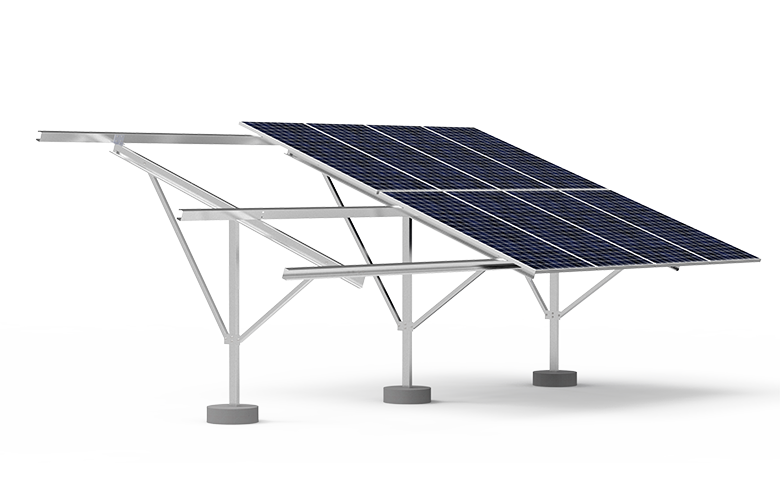 | Plant BOS Solar structures are essential components for supporting solar panels, ensuring their stability and optimal performance. View product → |
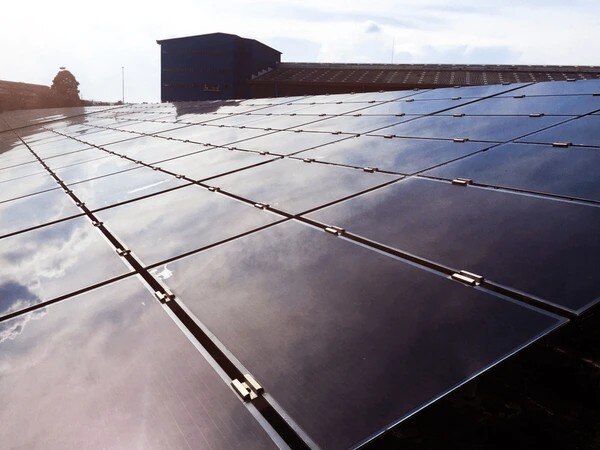 | Solar Products Solar Thin Film Modules are advanced photovoltaic panels known for their lightweight, flexibility, and high efficiency in low-light conditions. View product → |
Frequently asked questions
How do I measure the roof area available for solar panels?
Trace each roof plane and record its length and width, then exclude unsafe, inaccessible, legally restricted or structurally unsuitable areas.
How does shading affect solar panel orientation and layout?
Map shade across the day and seasons, then place panels away from obstructions or divide arrays into sections that limit mismatch losses.
How much solar capacity do I need for my building?
Review 12 months of electricity bills and measure real loads, then compare energy use with the roof’s expected generation.
How should I size battery storage and backup power?
Choose the operating model first, then list the circuits that need backup and size the inverter, battery and runtime for those loads.
What should an installable solar rooftop specification include?
Document the preferred layout, module count, inverter capacity, cable routes, protection equipment, mounting method, access clearances and structural requirements.
Related products
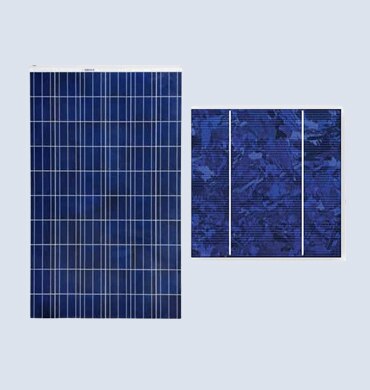 | Solar Products Solar Polycrystalline Modules are efficient and cost-effective solar panels made from multiple silicon crystals. View product → |
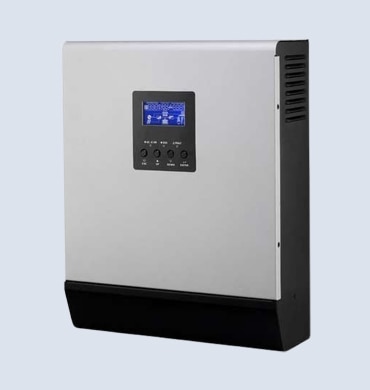 | Solar Products A Solar Hybrid Inverter seamlessly combines solar energy, battery storage, and grid power for efficient energy management. View product → |
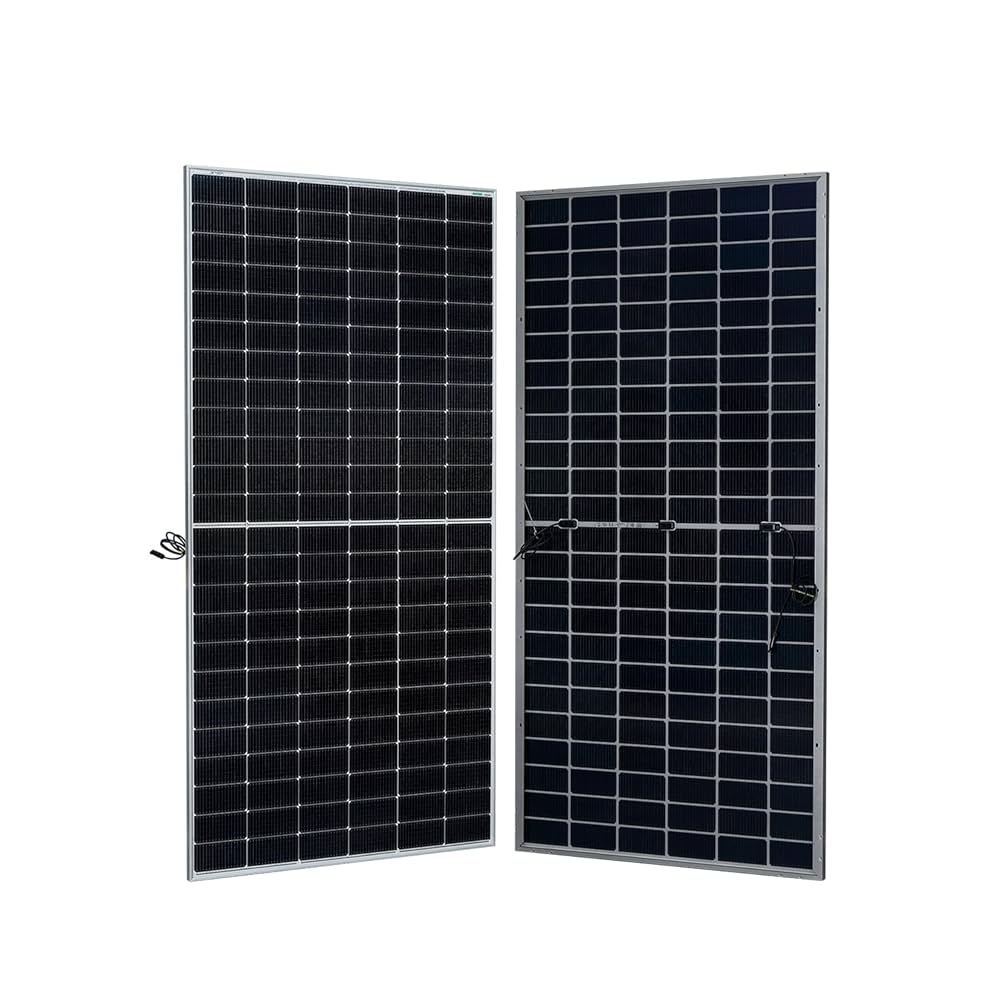 | Solar Products Our **Solar Monocrystalline Module** offers high efficiency, durability, and superior performance, even in low-light conditions. View product → |
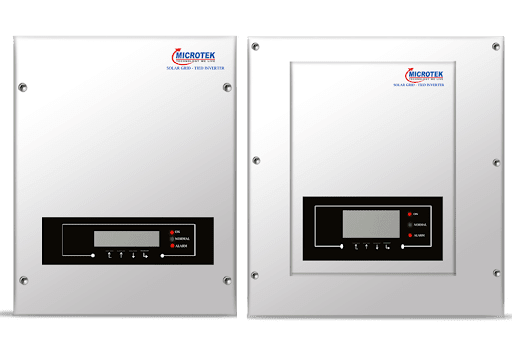 | Solar Products A Solar Ongrid Inverter efficiently converts solar energy into usable electricity, directly feeding it into the grid. View product → |